February 13, 2026
Moving a heavy safe is nothing like relocating ordinary furniture. Safes are dense, awkwardly shaped, and often installed in places that were never designed for easy removal. Whether a safe holds firearms, documents, cash, or sensitive business assets, the way it is transported matters for both safety and security. This is why many property owners turn to safe moving services instead of attempting to manage the job on their own. Professional handling protects floors, doorways, staircases, and the safe itself while reducing the risk of injury or damage during transport.
Beyond weight and size, safes often carry legal, financial, or personal significance. A mishandled move can result in structural damage to a building or compromised locking mechanisms. For homeowners, garages, and businesses alike, understanding what goes into professional safe transport helps set expectations and highlights why specialized planning is worth the investment. Careful coordination also reduces liability concerns and supports a smoother process from initial planning through final placement.
Identifying the Unique Challenges of Moving Heavy Safes
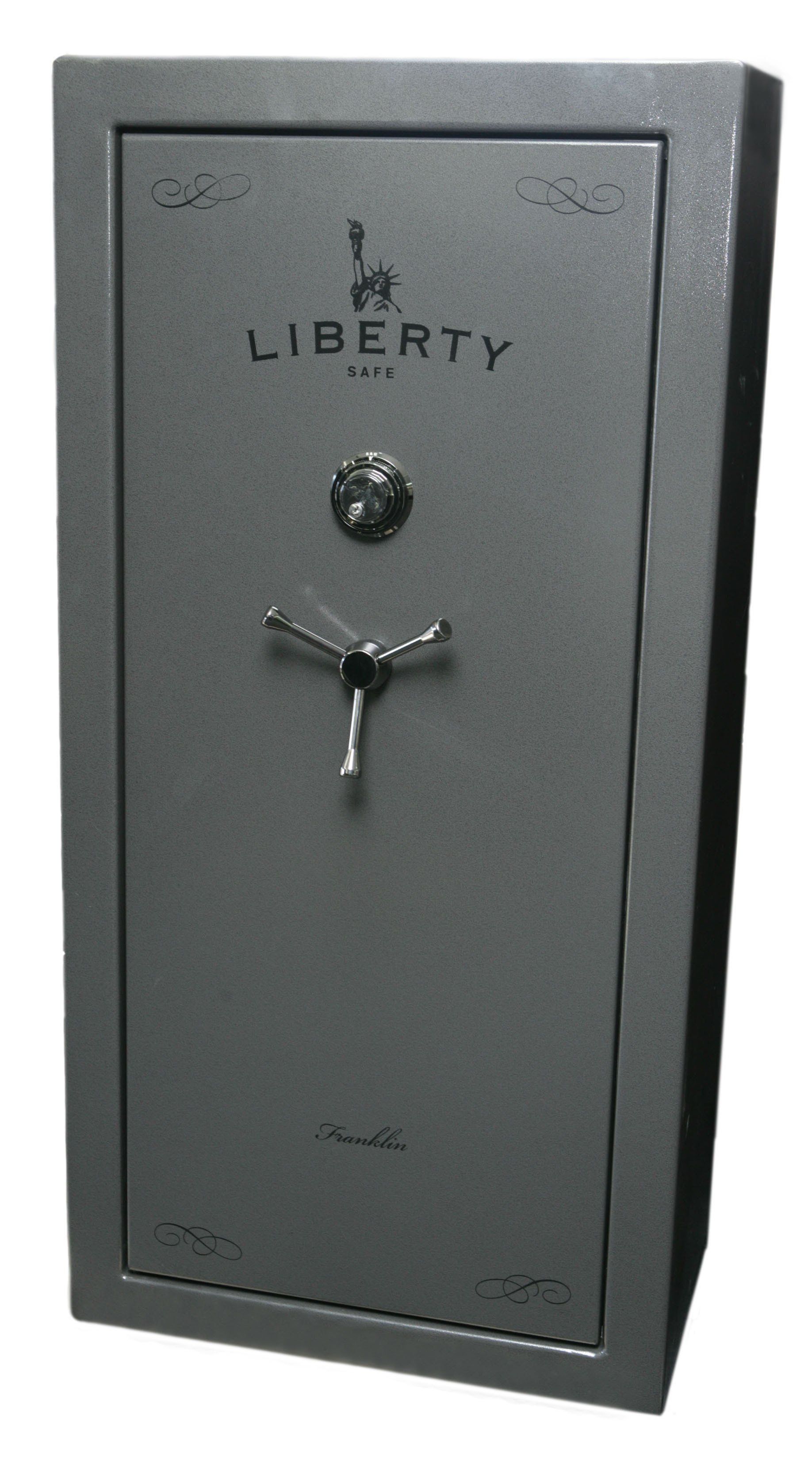
Built to resist fire, theft, and forced entry, safes are engineered with thick steel walls and reinforced locking systems. Even smaller residential models can weigh several hundred pounds, while commercial or gun safes may exceed a ton. This weight creates challenges when navigating stairs, tight hallways, or uneven garage floors.
Another issue is balance. Safes have a high center of gravity, which increases the risk of tipping if they are not properly secured. Professional movers account for this by using specialized equipment and controlled movement techniques. They monitor weight shifts closely and make adjustments in real time to maintain stability. When people rely on safe moving services, they are also paying for experience in recognizing structural weak points in a building and planning routes that reduce stress on both the safe and the surrounding property.
Preparing Homes, Garages, and Businesses for Safe Transport
Preparation is one of the most important steps in heavy safe transport. Before a safe is moved, professionals assess entry points, flooring materials, staircases, and load-bearing limits. In homes, hardwood floors, tile, and carpets may need temporary protection to prevent cracking or compression. Garages often require additional attention due to sloped surfaces or limited clearance.
Businesses face different concerns, such as minimizing downtime and protecting nearby equipment. A professional team offering safe moving services typically schedules transport during low-traffic hours and coordinates with facility managers to avoid disrupting operations. Clear communication helps align the move with internal schedules and security protocols. Preparation also includes securing the contents of the safe and verifying that locking mechanisms are stabilized before movement begins.
Using Specialized Equipment and Professional Training
Heavy safe transport requires tools that go far beyond standard dollies and straps. Hydraulic lift gates, reinforced skids, stair-climbing machines, and industrial-grade rollers allow movers to control weight distribution and maintain stability throughout the move. Each piece of equipment is selected based on the safe’s size and environment. Without these tools, even a short relocation can become hazardous.
Training is equally important. Experienced movers know how to communicate during lifts, adjust positioning in tight spaces, and respond quickly if weight shifts unexpectedly. Ongoing training reinforces consistency and awareness on every job site. Using safe moving services means relying on teams that practice these techniques regularly. This level of coordination reduces the likelihood of accidents and helps maintain the integrity of both the safe and the property.
Managing Security and Compliance During Safe Relocation
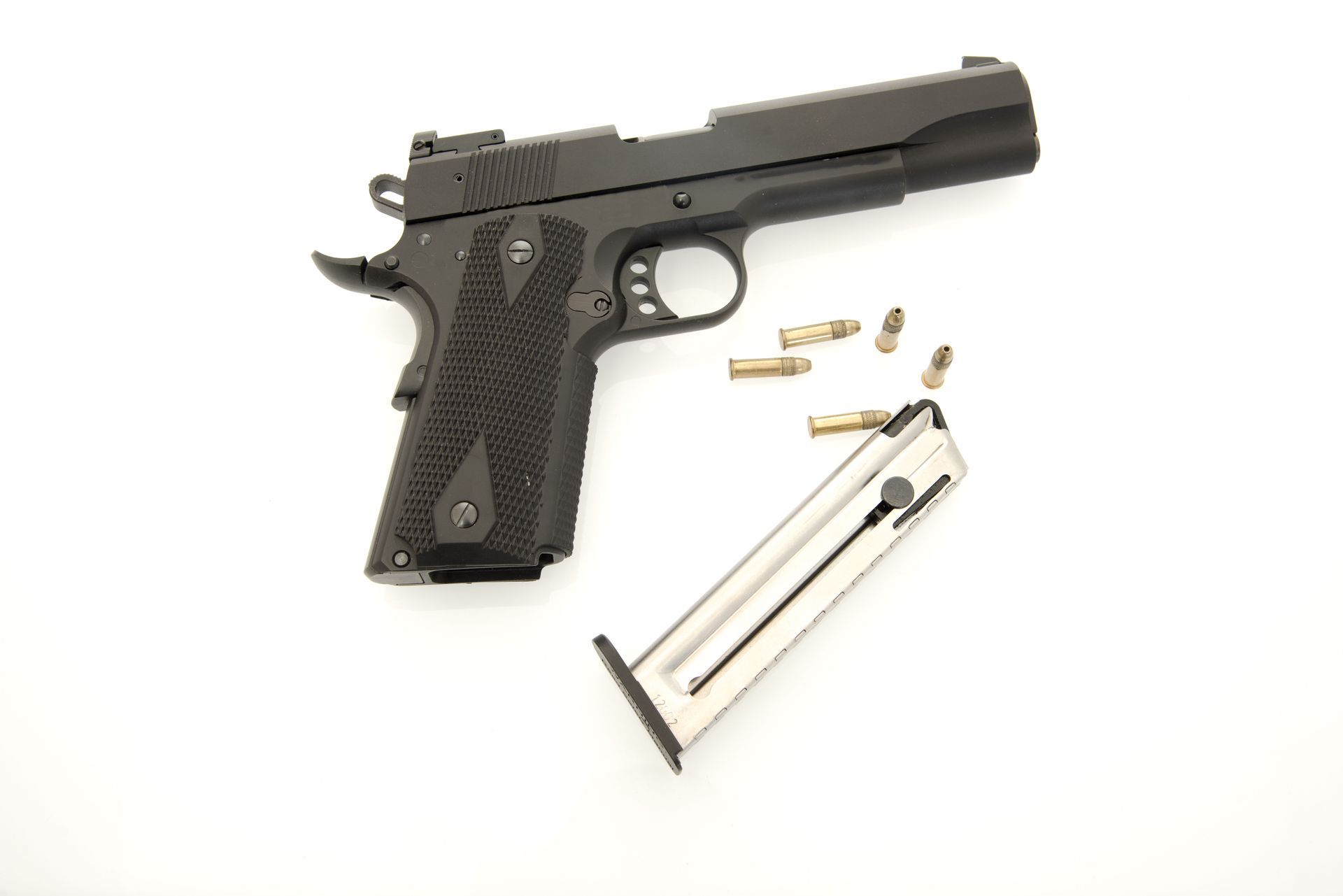
Safes often store items that require discretion and compliance with local or federal regulations. Firearms, sensitive records, or controlled substances must remain secure throughout the moving process. According to a survey by the University of Pennsylvania’s APPC, 37% of Americans with guns in their homes say they do not store all of them in a locked location. This statistic highlights why proper handling and secure transport are so important when relocating gun safes.
Professional movers take steps to maintain confidentiality and control access during transport. Vehicles are equipped to secure heavy loads, and teams follow protocols that limit exposure to unauthorized individuals. Scheduling, routing, and on-site coordination are carefully managed to reduce visibility and interruptions. Discretion is maintained from pickup to delivery, including controlled unloading procedures. By choosing safe moving services, property owners add an extra layer of protection during a vulnerable transition period.
Comparing Residential and Commercial Safe Moves
Residential safe moves often focus on protecting interior finishes and personal belongings. Homes may have narrow staircases or older construction that requires careful load management. In these settings, movers prioritize precision and slow, deliberate movement. Protective materials are commonly used to shield floors, walls, and door frames from scratches or pressure damage. Movers also plan entry and exit paths in advance to avoid tight turns and fragile surfaces. Attention is given to ceiling height, handrails, and lighting conditions, which can affect visibility and maneuverability. This careful approach helps reduce disruption inside the home while keeping the safe stable and secure throughout the move.
Commercial safe moves, on the other hand, often involve larger units and more complex logistics. Businesses may need coordination with security staff, property management, or local authorities. The scale of these projects means that planning, documentation, and timing are critical. Access restrictions, loading docks, and elevator capacities must also be evaluated in advance. Providers of safe moving services adapt their approach based on whether the destination is a private residence, garage workshop, or commercial facility.
Reducing Risk and Liability Through Professional Handling
Attempting to move a safe without professional help can expose property owners to significant liability. Injuries from lifting heavy objects are common, and damage to flooring or structural elements can be costly to repair. Insurance coverage may also be affected if a move is attempted without qualified assistance.
Professional movers carry insurance and follow established safety standards, which helps reduce financial risk. When professional handling is used, responsibility for proper transport shifts to trained professionals who are prepared for unexpected challenges. This risk management aspect is often overlooked but plays a major role in the overall value of professional transport.
Securing Long-Term Benefits Through Proper Safe Placement
The job does not end once a safe reaches its destination. Proper placement helps maintain usability and security over time. Movers assess floor strength, anchoring options, and accessibility before final positioning. In garages, this may involve reinforcing concrete pads or adjusting placement to avoid moisture exposure.
For businesses, placement decisions can affect workflow and compliance requirements. Using safe moving services often includes consultation on optimal positioning so that the safe remains functional and secure long after the move is complete. Thoughtful placement also reduces the likelihood that the safe will need to be relocated again in the future.
Heavy safe transport is a specialized task that combines logistics, engineering awareness, and security planning. From preparation and equipment to compliance and long-term placement, each step requires careful attention. Homes, garages, and businesses all face unique challenges, but they share the same need for reliable, controlled movement of valuable assets.
If you are planning to relocate a safe and want a process built around experience and care, consider working with safe moving services that understand these demands. To discuss your specific needs and schedule professional transport, contact DFW Gun Safes & Delivery today to get expert guidance on your next safe move.