August 28, 2026
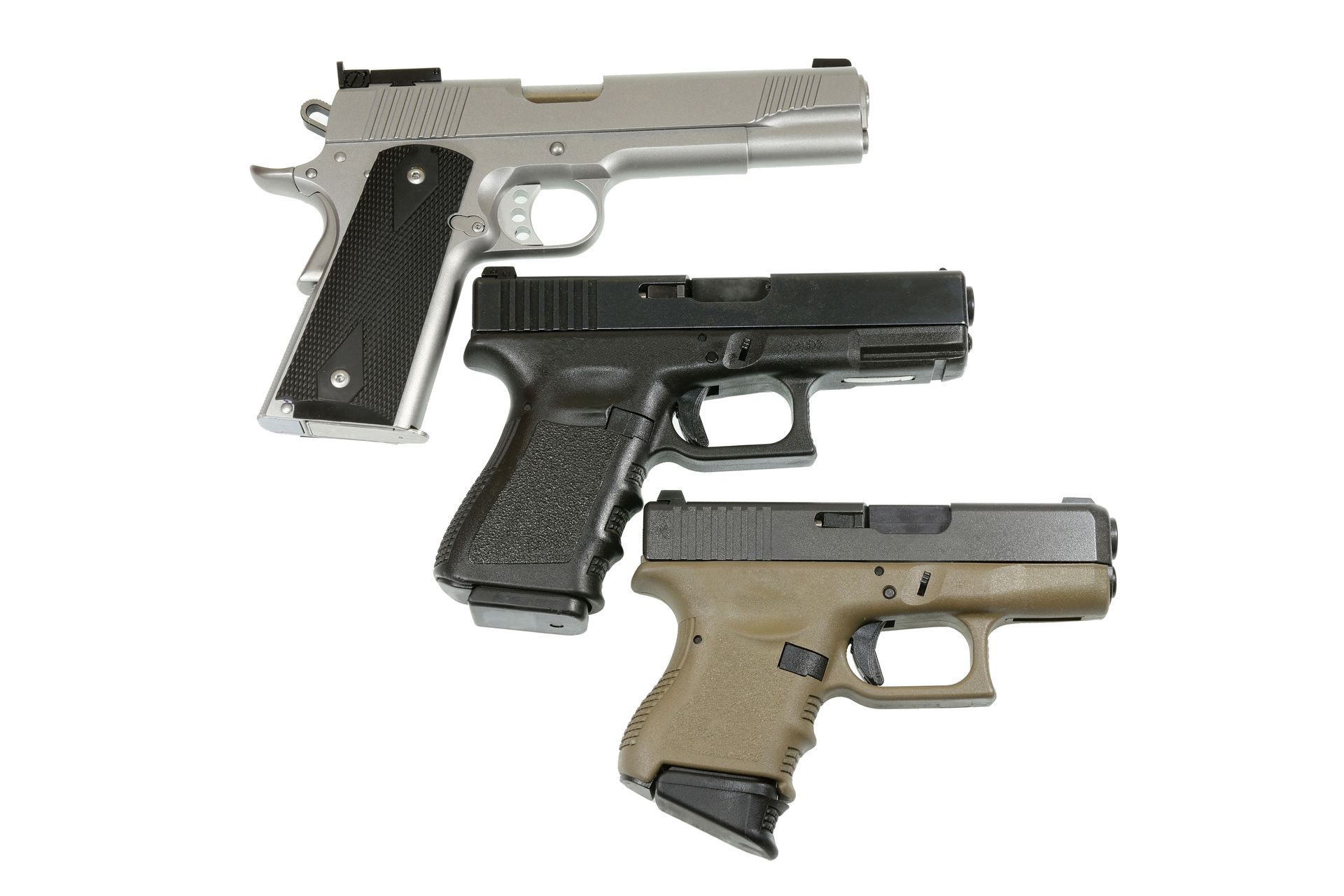
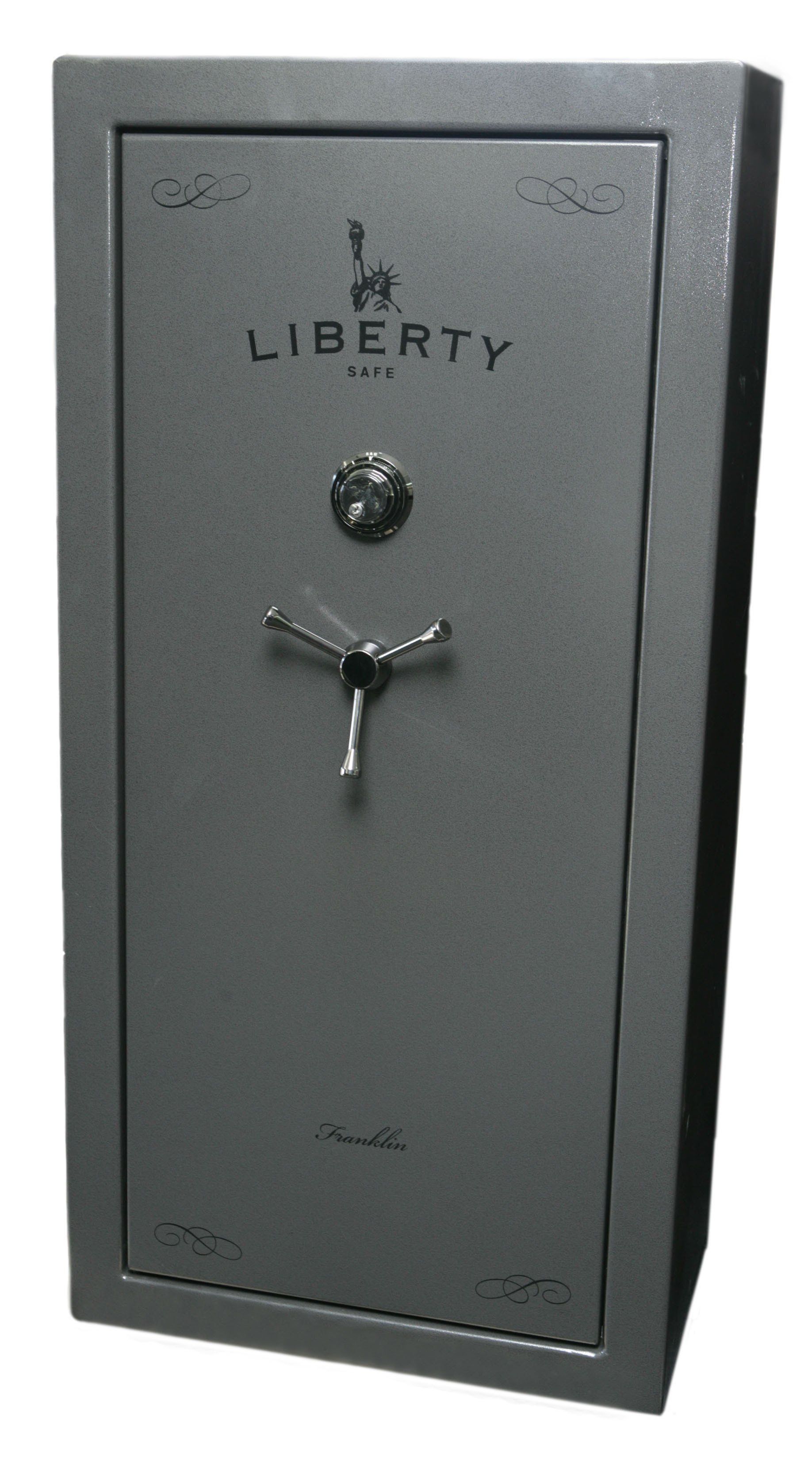
With firearms present in many American households, secure storage remains an important safety consideration. According to Pew Research, in 2024, the most recent year with complete data, 44,447 people in the United States died from gun-related injuries. While this figure includes deaths occurring under many different circumstances, it highlights the serious consequences associated with firearms and the importance of responsible handling and storage. A properly maintained safe can help restrict unauthorized access and provide a designated location for firearms when they are not being used. Changes in ownership, lost keys, damaged components, or outdated technology can all create reasons to reconsider a safe's locking system. Knowing whether rekeying is sufficient or complete replacement is more appropriate depends on the condition and type of lock. Regular inspections can help owners identify developing problems before a malfunction interferes with normal access or compromises storage security.
Understanding Gun Safe Lock Options
Gun safes may use mechanical, electronic, biometric, or key-operated locking mechanisms. Mechanical combination locks are valued for their relatively simple design and lack of dependence on batteries. Electronic locks provide keypad access and often allow combinations to be changed more conveniently. Biometric systems use identifying information such as fingerprints to control access. Each option has different maintenance requirements, potential failure points, and access considerations.
Selecting an appropriate lock requires balancing security, reliability, convenience, and compatibility with the safe. A lock that works well in one household or workplace may not be appropriate in another. Environmental conditions can also matter because moisture, dust, temperature fluctuations, and frequent use may affect certain components. When owners are uncertain about compatibility or condition, gun safe services can provide an assessment without relying solely on assumptions about the lock's appearance.
Maintaining Lock Performance
Routine maintenance can help preserve a lock's dependable operation. Mechanical components may experience gradual wear, while electronic systems can develop problems involving batteries, keypads, wiring, or internal mechanisms. A lock may appear functional even when components are beginning to deteriorate. Periodic inspections provide an opportunity to notice unusual resistance, delayed responses, inconsistent operation, or other changes that warrant professional attention.
Maintenance should also extend beyond the lock itself. Hinges, handles, doors, bolts, and other safe components need to operate correctly so the locking mechanism is not placed under unnecessary strain. Owners should follow the manufacturer's instructions rather than applying unsuitable lubricants or attempting modifications that could damage internal components. Professional gun safe services may be appropriate when the lock requires inspection, repair, rekeying, or another procedure beyond routine owner maintenance.
Recognizing Common Security Concerns
Every lock design has potential weaknesses or maintenance concerns. Mechanical locks can experience wear in moving parts after years of operation. Electronic locks depend on functioning components and a reliable power source, while biometric systems rely on sensors and electronic controls. Understanding the characteristics of the installed lock helps owners recognize changes that could indicate a problem rather than waiting for a complete failure.
Security concerns can also arise from access management rather than mechanical deterioration. Keys may be lost, combinations may be shared, or people who previously needed access may no longer require it. These circumstances should prompt a review of current access arrangements. Keeping access limited to appropriate individuals is an important part of safe ownership, regardless of the sophistication of the locking mechanism.
Responding to Lost or Unaccounted-For Keys
A missing key creates uncertainty because the owner cannot always determine where it is or who may eventually find it. Even when a key is believed to have been misplaced somewhere harmless, its location may remain unknown. Rekeying an appropriate lock can invalidate the missing key and restore control without necessarily requiring replacement of the entire safe.
The same consideration applies when keys have been duplicated or distributed to several people. Changes in household arrangements, staffing, ownership, or other circumstances may make previous access permissions inappropriate. Owners can consult providers of gun safe services to determine whether their particular lock can be rekeyed and whether doing so is the most suitable response. Not every locking system supports the same procedures, making professional evaluation useful before changes are attempted.
Evaluating a Safe After a Security Incident
An attempted break-in or evidence of tampering should lead to a careful assessment of the entire safe. Even if the door remained closed, the lock, handle, hinges, bolts, or surrounding structure could have sustained damage. Continuing to rely on compromised components without inspection may create reliability problems that are not immediately visible.
A professional assessment can determine whether the lock remains serviceable or should be replaced. The safe itself should also be examined for structural damage that could affect its intended function. Documenting visible damage may be useful when communicating with an insurer, manufacturer, or service provider. Owners should avoid repeatedly operating a lock that appears damaged, as additional use could worsen an existing mechanical problem.
Rekeying Newly Acquired or Inherited Safes
A used or inherited safe can present uncertainty regarding previous access. The new owner may not know how many keys were produced, who knows an existing combination, or whether access information was shared in the past. Establishing new access credentials provides a clearer starting point for managing the safe under its new ownership.
Depending on the locking mechanism, this may involve rekeying, changing a combination, removing previously registered biometric users, or replacing the lock. Gun safe services can help evaluate an unfamiliar system and explain which options are compatible with the safe. An inspection may also reveal worn components or maintenance needs that were not apparent when the safe was acquired.
Knowing When Replacement Makes More Sense
Rekeying changes access credentials but does not correct every problem. If a lock is physically damaged, unreliable, obsolete, or incompatible with the owner's current requirements, replacement may be more appropriate. Recurring problems such as sticking components, inconsistent electronic responses, damaged keyways, or repeated lockouts can indicate that repair or rekeying alone will not address the underlying issue.
The age of the lock can also influence the decision. Older systems may have replacement parts that are difficult to obtain or may no longer be supported by their manufacturers. In those situations, installing a compatible modern lock may offer a more practical long-term solution. Any replacement should be selected carefully because not every locking mechanism is designed to fit every safe.
Considering Changes in Lock Technology
Lock technology continues to evolve, providing owners with different ways to manage access. Electronic systems may offer convenient combination changes, while certain biometric models provide individualized access. However, newer technology is not automatically the right choice for every owner. Reliability, maintenance requirements, manufacturer specifications, environmental conditions, and personal access needs should all be considered.
Owners considering an upgrade should evaluate the advantages and limitations of the available systems rather than selecting a lock solely because it includes more features. Professional gun safe services can help determine whether a proposed replacement is compatible with the safe and appropriate for its intended use. Following manufacturer requirements is particularly important because unauthorized alterations could affect the safe's operation or warranty.
Owners should avoid attempting repairs or modifications that could damage the safe or interfere with its locking components. A qualified professional can inspect the system, identify the source of a problem, and recommend an appropriate course of action. Using gun safe services for specialized work can also help ensure that changes are compatible with the safe and performed according to relevant manufacturer guidance. By reviewing access regularly and responding promptly to signs of damage or uncertainty, owners can maintain greater control over secure firearm storage. Contact our team at DFW Gun Safes & Delivery today and learn more about our gun safe services.